
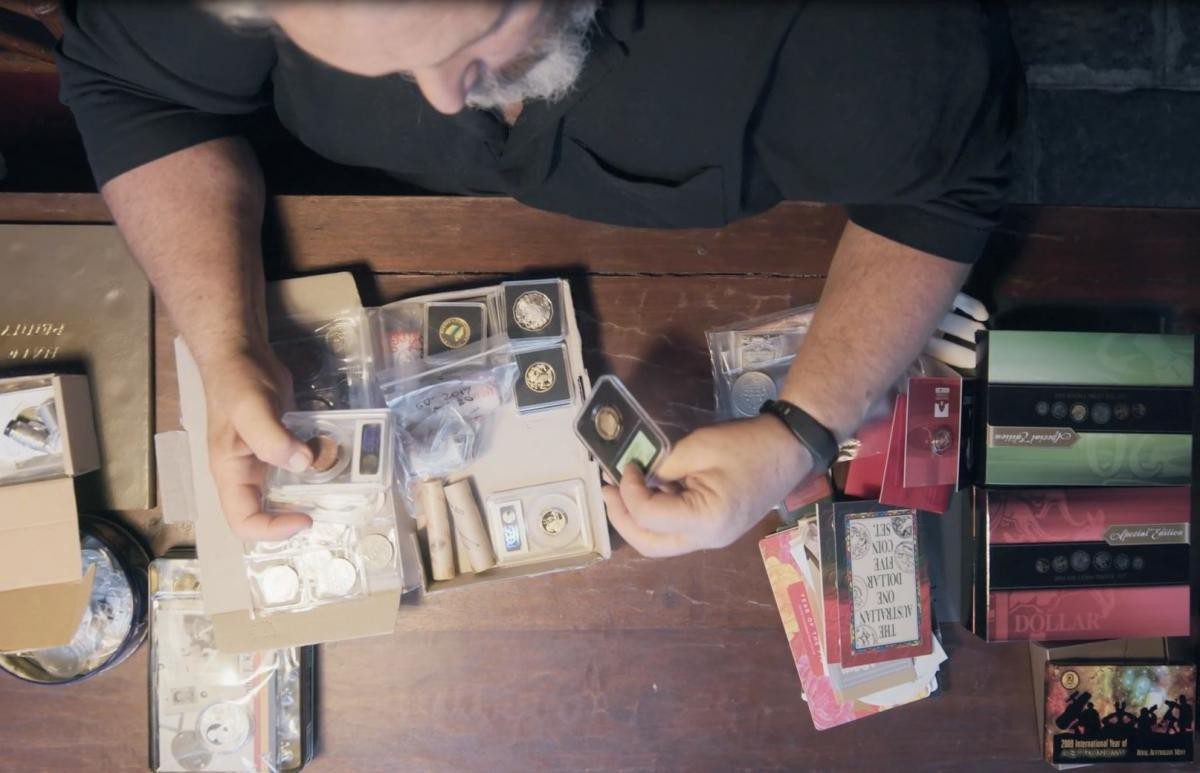
Valuating Australian coins and banknotes
Valuating Australian coins and banknotes is a fascinating process that combines historical research with a sharp eye for detail. Whether you’ve stumbled upon a unique $2 coin in your change or found an old paper ten-dollar note in a book, here is how you can determine its market value.
1. The Importance of "Grade"
In the world of numismatics, condition is everything. A coin or note is graded on a scale from "Average Circulated" to "Uncirculated."
Coins: Look for "lustre"—the original mint shine. If the fine details of the Queen’s (or King's) hair or the feathers on the lyrebird are worn smooth, the value drops significantly.
Banknotes: Crispness is key. A "flat" note with no folds, creases, or "flicks" is worth many times more than a note that has been through a wallet. Even a single tiny pinhole can downgrade a note from "Uncirculated" to "Fine."
2. Mintage Figures and Scarcity
A coin isn't necessarily valuable just because it is old; it is valuable because it is rare.
Low Mintage: Some years, the Royal Australian Mint produces fewer coins of a certain denomination. For example, the 2012 Red Poppy $2 coin is highly prized because its mintage was relatively low compared to standard designs.
Key Dates: In pre-decimal currency, certain years are "key dates"—like the 1923 Halfpenny or the 1930 Penny—where production was extremely limited.
3. Errors and Varieties
Manufacturing mistakes are a major driver of value in the Australian market.
Cuds and Die Cracks: Look for small raised blobs of metal on a coin’s surface caused by a broken die.
Mules: A "mule" occurs when the wrong heads and tails dies are paired together. The most famous is the 2000 $1/10c mule, which shows a double rim on the heads side.
Banknote Errors: Look for "registration" errors where the printing on the front and back doesn't align perfectly, or cutting errors where the margin is uneven.
4. Serial Numbers (Banknotes Only)
If you are looking at polymer or paper banknotes, the serial number is often more important than the note itself.
First and Last Prefixes: The very first (often starting with AA) and the very last (often starting with ZZ) batches printed for a series are the most collectible.
Radar Numbers: These are serial numbers that read the same forwards and backwards (e.g., 123321).
Solid Numbers: A sequence of the same digit (e.g., 555555) is an extremely rare and valuable find.
5. How to Research the Price
To get a realistic idea of value without professional help:
Use Reference Books: Standard annual catalogues provide "book values" which represent what you might expect to pay at a retail shop.
Market Realisation: Look at recent auction results. The price someone actually paid yesterday is a much better indicator of value than the price a seller is asking today.
Avoid Cleaning: This is the golden rule. Never clean a coin with chemicals or cloths. Collectors prefer a dirty, authentic coin over a shiny, scratched one.
We write rarely, but only the best content.
